Guided tours in the museums: history you can touch
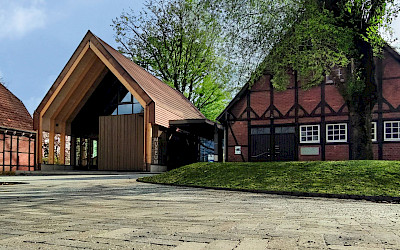
The museum landscape around the Deitmar park invites you to discover Emsdetten's history from very different perspectives. The Heimatbund Emsdetten offers expert guided tours that bring crafts, everyday life and the town's history to life.
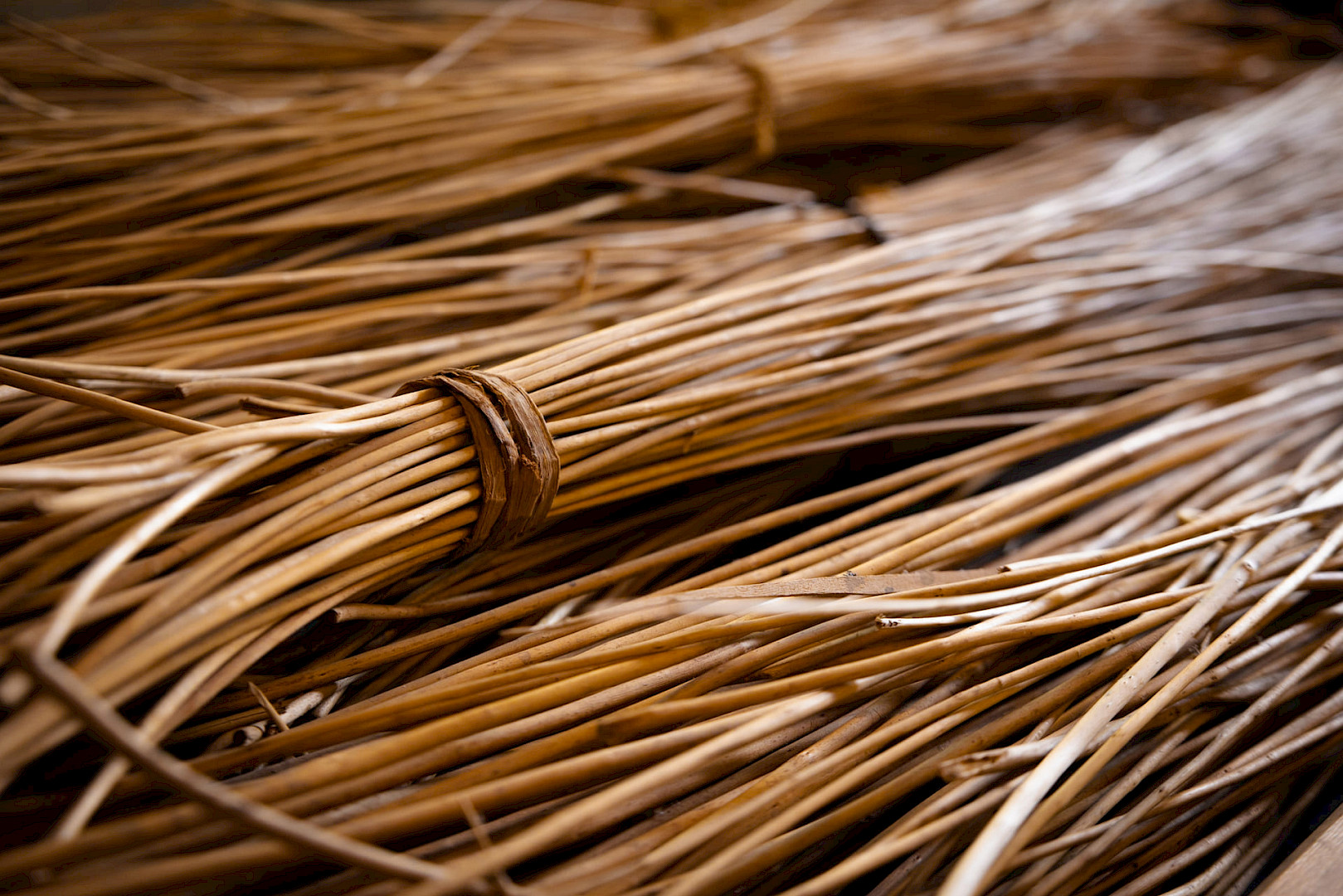
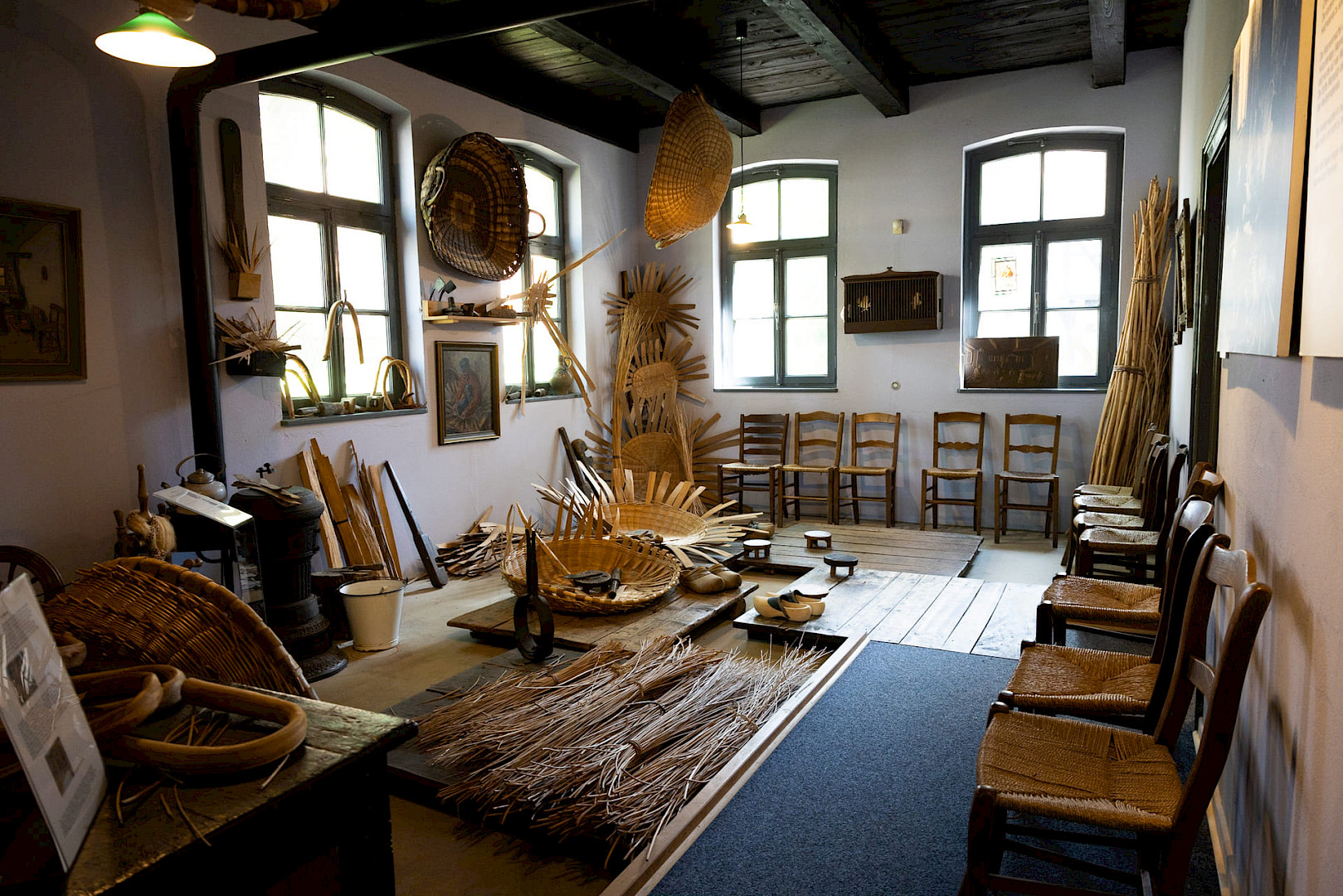
The Wannenmacher-Museum focuses on traditional wickerwork. Visitors learn how the famous Emsdetten tubs were made from willow rods - and the importance of this craft for the town over the centuries.
The August-Holländer-Museum complements the tour with insights into textile history and life in the 19th and 20th centuries. The newly designed exhibition combines historical exhibits with exciting everyday stories and shows how closely work, living and social change were interlinked.
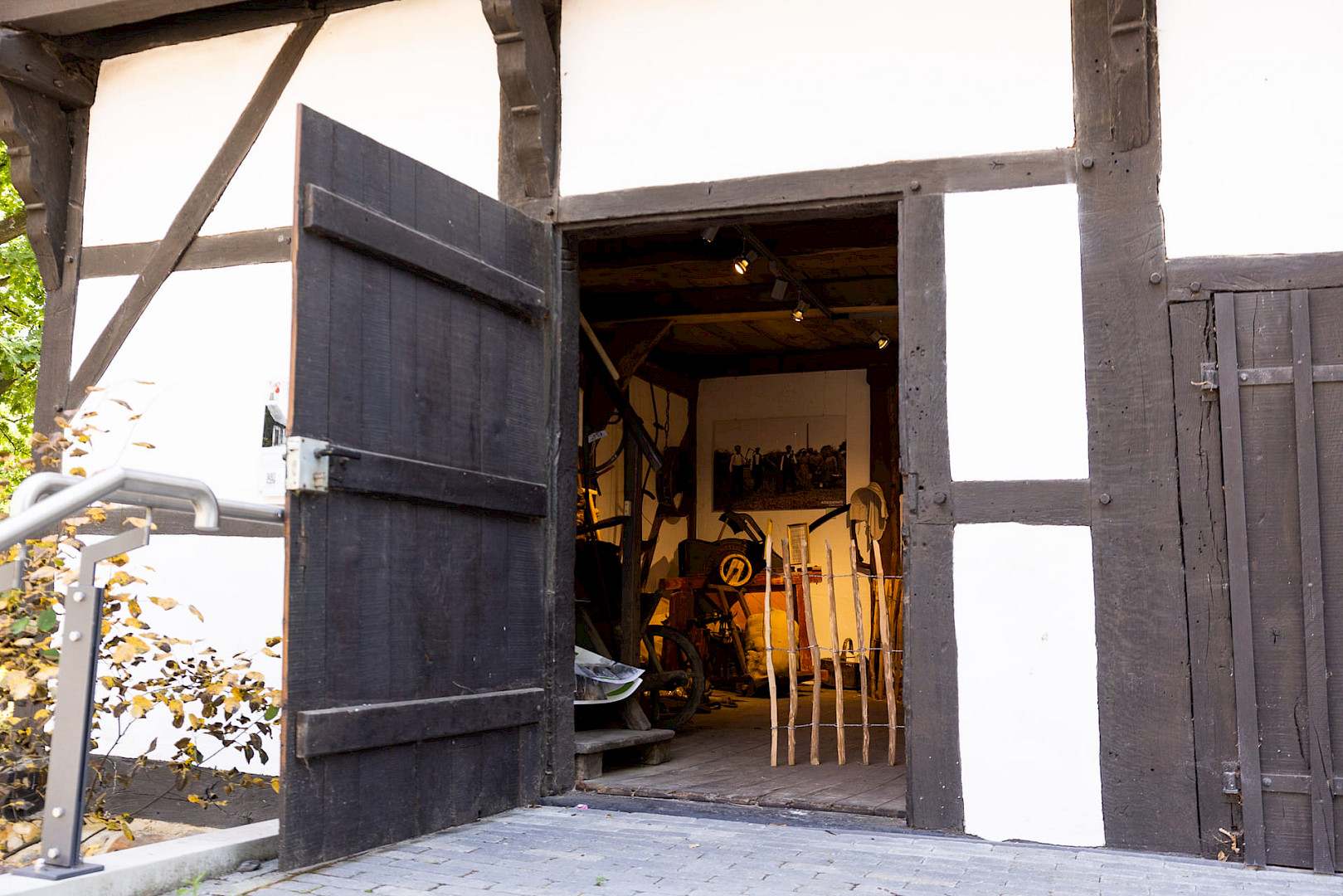
Finally, the Granary Museum, the oldest building in Emsdetten, forms a special finale. The historic granary tells the story of life in a time of self-sufficiency and allows visitors to experience farming and stockpiling in past centuries.
Together, the museums form a unique ensemble that allows visitors to experience the town's history first-hand.