August-Holländer-Museum
Experience the history of modern Emsdetten
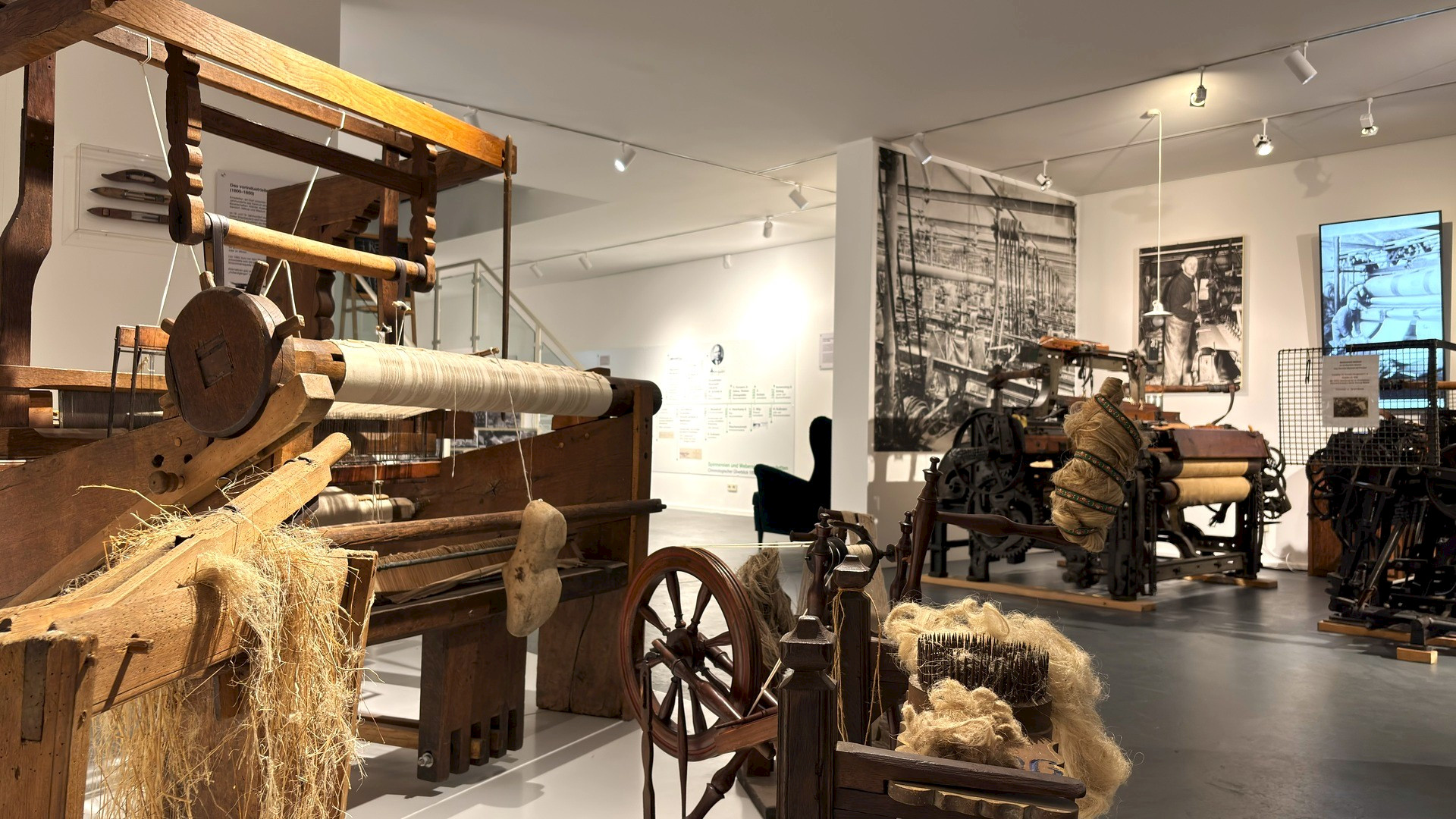
How did a small, predominantly agricultural village become one of the most important textile towns in the Münsterland region? The August Holländer Museum tells the story of a profound transformation that continues to shape Emsdetten to this day. Through historical machinery, documents, and original everyday objects, the museum brings the evolution from craftsmanship to industry to life in a vivid and engaging way.
The museum showcases not only the history of the textile industry but also the people behind it: weavers, factory workers, entrepreneurial families, and all those who have shaped the character of Emsdetten over generations.
Here’s what awaits you
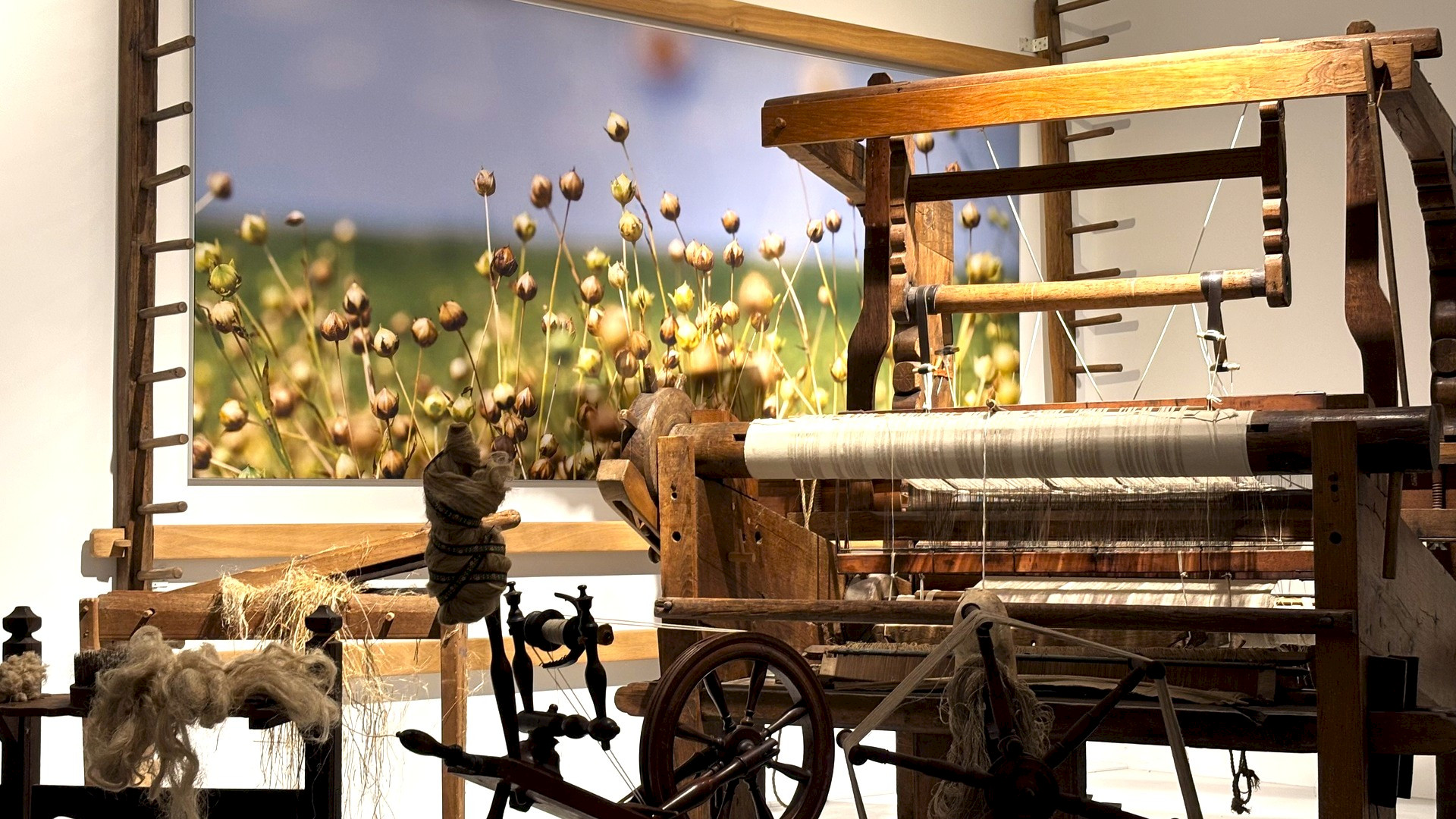
- Historical hand and machine looms
- Fascinating insights into the development of the textile industry
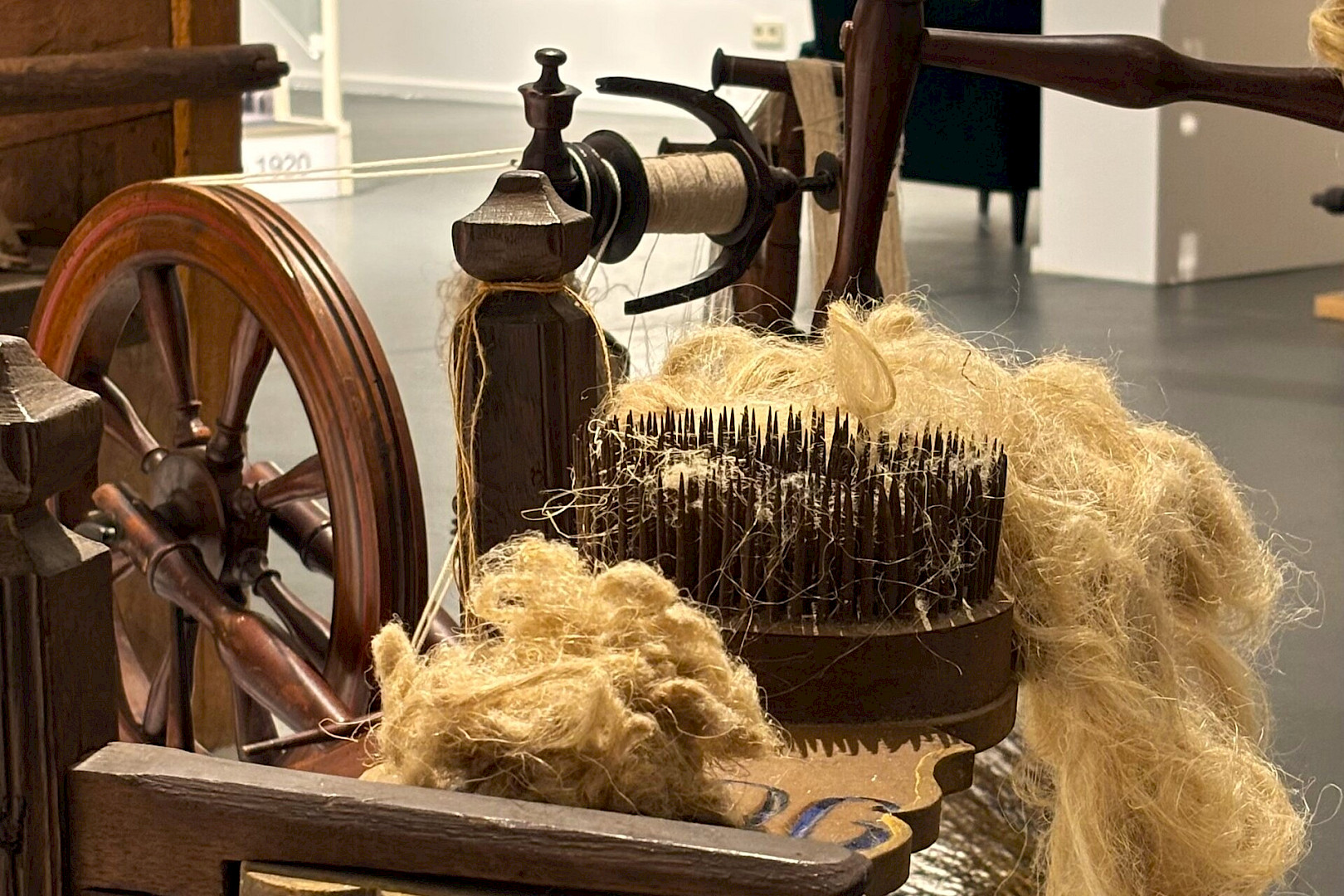
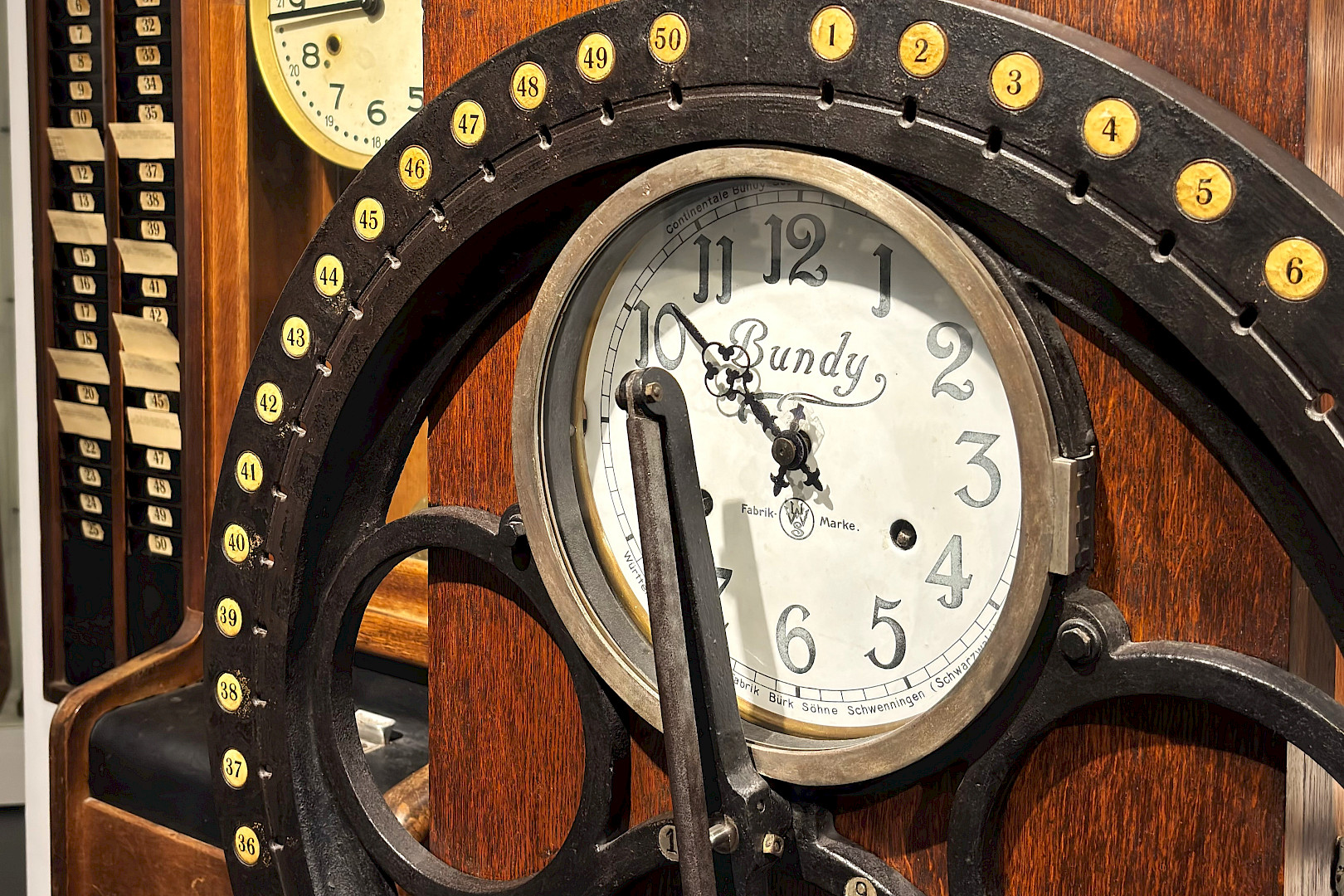
- Contemporary machines, tools, and documents
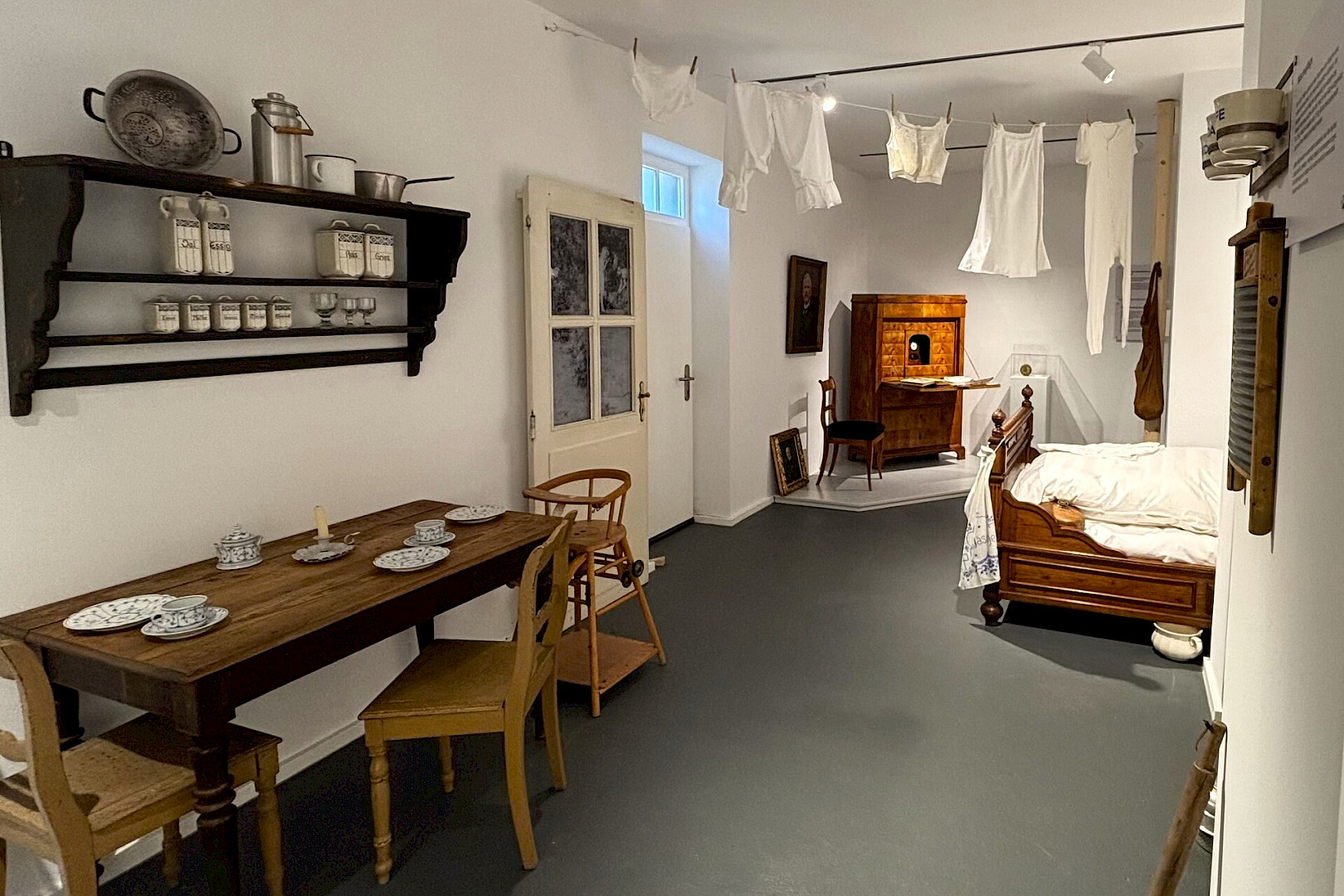
- Authentically furnished living spaces
- History of the Emsdetten jute industry
- Urban development from a village to an industrial city
- Timeline of Emsdetten’s textile companies
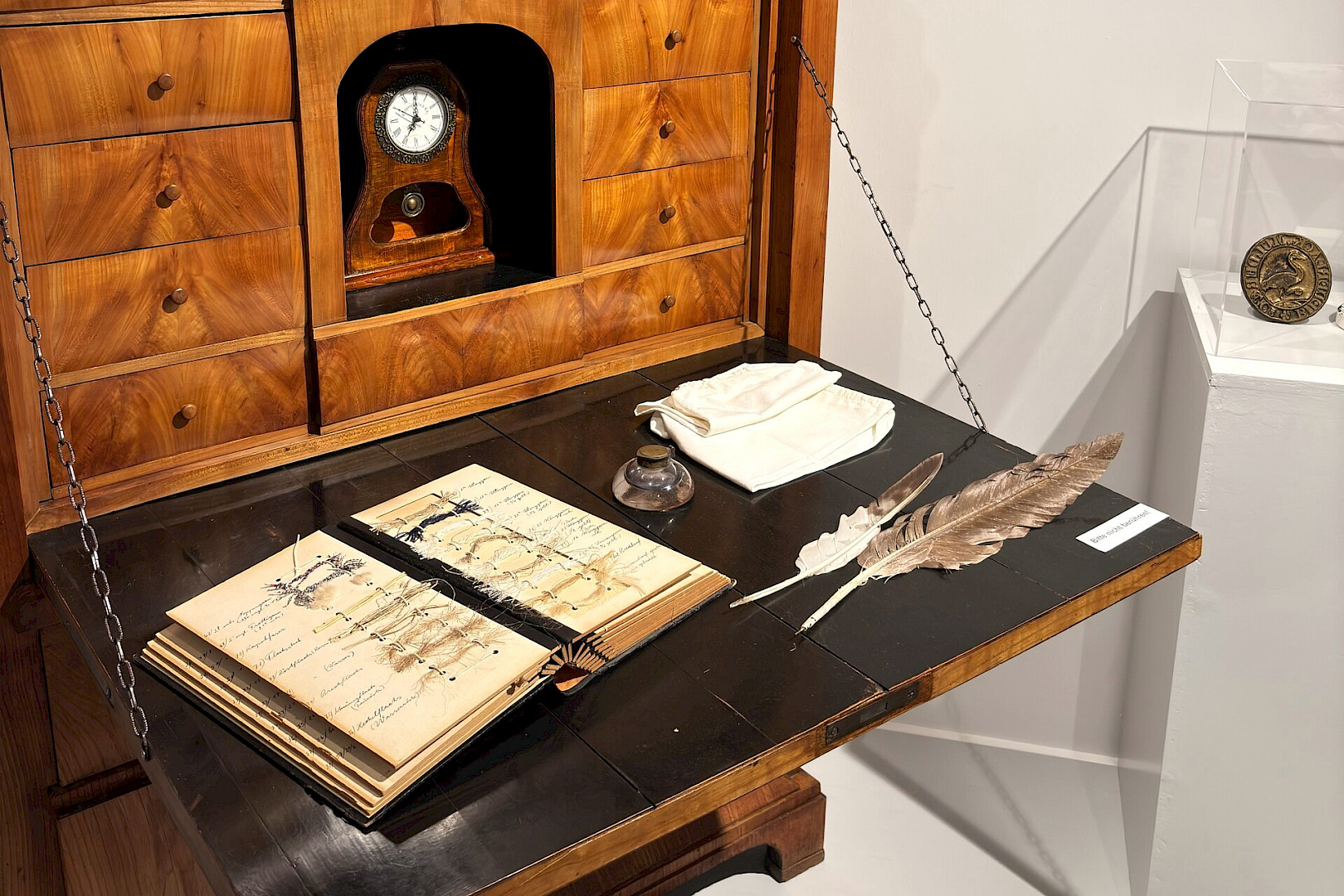
- Numerous original objects from the daily lives of past generations
- An extracurricular learning center for children and teens
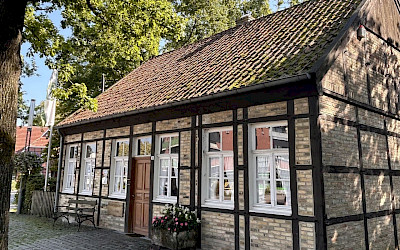
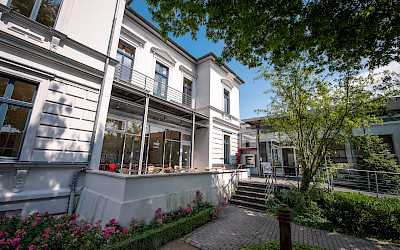
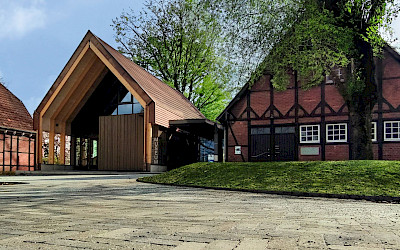
The August Holländer Museum in Pictures
The Textile Industry as a Driving Force Behind Urban Development
Hardly any other industry has shaped Emsdetten as profoundly as the textile industry. The August Holländer Museum illustrates how modern factories gradually emerged from the weavers’ home workshops. Historic looms and machines vividly demonstrate the technical progress and changes in the world of work.
An important milestone was Emsdetten’s connection to the railroad in 1856. This enabled faster transport of raw materials and goods and significantly accelerated the city’s economic development. The processing of jute, in particular, later led to an economic boom. At times, around 40 percent of the jute products manufactured in Germany came from Emsdetten.
Daily Life Between Factory and Family
In addition to its industrial history, the museum focuses on people’s daily lives. Original furnishings vividly illustrate how textile workers’ families lived in the early 20th century. From the kitchen and bedroom to household items and clothing, an authentic picture of everyday life at that time emerges.
Particularly fascinating are the many connections to the town as it is today. Visitors repeatedly encounter familiar family names, street names, and historic villas, which make it clear just how closely the history of the textile industry is linked to present-day Emsdetten.
From Collection to Museum
The museum is named after August Holländer, who spent many years collecting objects and artifacts related to Emsdetten’s local history. His private collection laid the foundation for the first city museum. After its first exhibitions at Hof Deitmar, the museum moved to its current location in 1963 and has been continuously expanded ever since.

Our Tip
The August Holländer Museum brings Emsdetten’s development from a weavers’ village to an industrial town to life. A guided tour led by the Heimatbund makes for a particularly fascinating visit: During the tour, machines, stories, and historical contexts are brought to life, and many familiar places in today’s city are placed in a new context.
To book a guided tour, simply contact the Heimatbund directly.
- Mühlenstraße 28, 48282 Emsdetten
- https://www.emsdetten.de/staticsite/staticsite.php?menuid=150&topmenu=32
- museen-emsdetten@web.de
- +49 (0)2572 941316
| Montag | Closed |
|---|---|
| Dienstag | Closed |
| Mittwoch | 15:00 - 18:00 |
| Donnerstag | 15:00 - 18:00 |
| Freitag | 15:00 - 18:00 |
| Samstag | 15:00 - 18:00 |
| Sonntag | 15:00 - 18:00 |
- Free admission: 0,00 €